
The European aluminum recycling market is approaching an important policy decision as the European Union prepares measures intended to retain more aluminum scrap within the region.
The European Commission has officially stated that it is developing a new instrument to reduce the loss of aluminum scrap from Europe. The Commission considers scrap availability important for industrial decarbonization, the green transition and European strategic autonomy. Measures originally expected earlier in 2026 have been delayed until September while policymakers attempt to balance the interests of aluminum producers, recyclers and international trading partners.
Media reports indicate that one proposal under consideration is a 15% levy on aluminum scrap exports. However, the measure has not yet been formally adopted, and its final structure may change before it is presented and reviewed by EU member states.
Aluminum Scrap Exports Reach Record Levels
European Aluminium reported that EU aluminum scrap exports reached a record 1.27 million metric tons in 2025, approximately 50% higher than in 2019. Most of this material was shipped to Asian markets, with India receiving the largest volume. The industry group also reported additional export growth during the first four months of 2026.
These export volumes have increased concerns among European secondary aluminum producers. They argue that overseas buyers can often pay more for scrap, making it difficult for European remelting plants to obtain enough material at competitive prices.
The issue is particularly important because recycled aluminum requires substantially less energy than primary aluminum produced from mined bauxite. According to industry data cited by Reuters, aluminum recycling can reduce energy consumption by approximately 95%.
For policymakers, aluminum scrap is therefore no longer viewed only as waste. It is increasingly treated as an industrial raw material connected to energy security, manufacturing resilience and lower-carbon production.
Aluminum Producers Support Stronger Export Controls
European aluminum producers generally support measures that would retain more scrap within the region.
European Aluminium has called for an export duty covering aluminum scrap sent to most non-European destinations. The organization argues that an export charge of at least 30% would be necessary to restore competitive conditions for European recycling plants. It has suggested tariff-rate quotas as a less-preferred alternative if an export duty is not adopted.
From the producers’ perspective, retaining more aluminum scrap could help European companies:
- Increase secondary aluminum production
- Improve access to lower-carbon raw materials
- Use existing recycling furnace capacity more effectively
- Reduce dependence on imported primary aluminum
- Strengthen regional manufacturing supply chains
The reported EU proposal may ultimately be lower than the 30% requested by producers, but even a smaller measure could affect scrap prices and international material flows.
Recycling Companies Warn About Market Disruption
European recycling companies have taken a different position.
Recycling Europe argues that the EU does not have a structural shortage of aluminum scrap and that trade restrictions could harm the companies responsible for collecting, shredding and preparing recyclable material. The organization says exports provide an important outlet when European demand is insufficient.
Reuters reported that Recycling Europe estimates only around 20% of aluminum scrap is exported. The group also says that a significant portion of exported material is lower-grade scrap that some European facilities are not currently able to process economically.
Recyclers warn that export restrictions could reduce scrap prices, weaken investment incentives and leave some material uncollected or unprocessed. Recycling Europe instead recommends addressing high energy costs and creating stronger domestic demand for recycled materials.
The disagreement shows that aluminum scrap cannot be treated as one uniform product. Clean used beverage cans, mixed Zorba, automotive shredder material, incinerator bottom ash and contaminated aluminum fractions have different compositions, processing costs and downstream markets.
Sorting Quality Could Become More Important
Regardless of the final policy decision, the debate places greater attention on aluminum scrap quality.
European remelting plants do not simply require more scrap. They require material that can be processed reliably and converted into commercially useful secondary aluminum.
Poorly prepared material may contain:
- Ferrous metal
- copper and brass
- Stainless steel
- zinc
- Plastic and rubber
- Glass and mineral material
- Moisture, dirt and ash
These contaminants can reduce product value, increase processing costs and restrict the applications for which the recovered aluminum can be used.
This suggests that the long-term solution cannot depend only on controlling exports. Europe would also need sufficient collection, sorting, upgrading and remelting capacity to process a wider range of aluminum-bearing materials. This is an inference supported by the disagreement between aluminum producers seeking more domestic scrap and recyclers warning that some exported grades cannot currently be handled competitively in Europe.
Different Aluminum Streams Require Different Processes
Aluminum can be recovered from several recycling applications, but each stream requires a different process design.
Used beverage cans are lightweight and relatively uniform, although they may arrive mixed with steel cans, plastic containers and other packaging.
Zorba may contain aluminum together with copper, brass, zinc and stainless steel.
Automotive shredder residue can contain aluminum mixed with plastic, rubber, foam, wire and glass.
Incinerator bottom ash may contain fine aluminum particles mixed with mineral material and moisture.
A practical aluminum recovery line must therefore consider the incoming material, size range, contamination level, required capacity and final product specification.
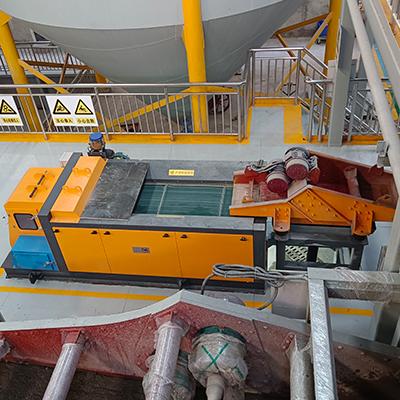
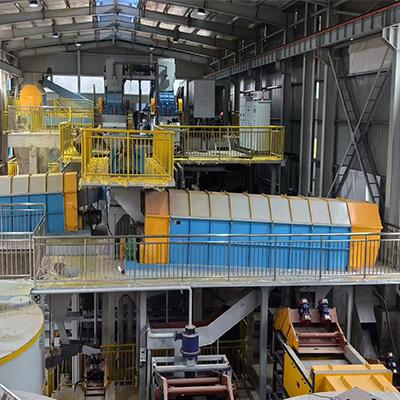
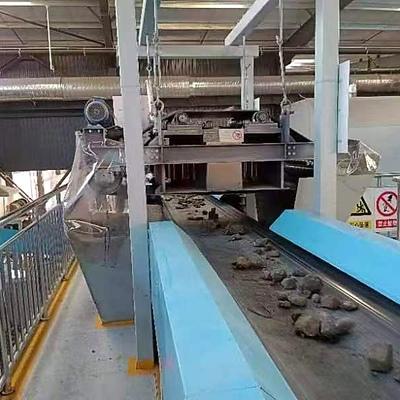
The process may include stable feeding, material size classification, ferrous removal, non-ferrous recovery and additional upgrading stages. The objective is to produce a cleaner and more consistent aluminum fraction rather than simply separate a large volume of material.
CurrenTek Aluminum Recovery Solutions
CurrenTek provides recycling sorting equipment and process configurations for aluminum-rich material streams, including:
- UBC aluminum can recycling
- Zorba processing
- ASR aluminum recovery
- IBA non-ferrous metal recovery
- Mixed scrap sorting
- Aluminum removal from plastic and glass streams
Each project should be evaluated according to the actual material condition, processing capacity, plant layout and required recovery result.
Material photographs, videos, samples and capacity information can help determine the appropriate process configuration. For complex material streams, testing may also be necessary to identify suitable operating parameters.
The goal is to help recycling plants recover more aluminum, reduce unwanted contamination and produce material that is easier for downstream buyers to remelt or upgrade.
Market Outlook
September may become an important month for the European aluminum recycling market as the Commission considers the final design of its proposed measures.
A levy, quota system or other export-control mechanism could alter scrap prices and trade flows. However, policy alone will not guarantee a stronger recycling industry.
Long-term success will also depend on:
- Competitive domestic demand
- Adequate recycling capacity
- Better identification of scrap grades
- Cleaner material preparation
- Investment in sorting and upgrading technology
- Clear specifications between recyclers and aluminum producers
The current debate confirms that aluminum scrap is becoming a strategic industrial material. Recycling plants capable of delivering cleaner and more consistent aluminum fractions will be better positioned as governments and manufacturers place greater value on domestic secondary-metal supply.
